Building a Medical Specialty in Egypt from the Ground Up with Tamer Abou-Elsaad


 Apple Podcasts
 Spotify
 Overcast
 Castro
 PocketCasts
 RSS Feed
 Our guest for today’s episode of the Xceptional Leaders podcast is one who undoubtedly exemplifies that label, Dr. Tamer Abou-Elsaad. He is a professor of Phoniatrics at Mansoura University in Mansoura, Egypt. He joins Mai Ling for a conversation to share the story of how he built a medical specialty from nothing in his country. He also talks about why Egyptian insurance covers 12 speech therapy sessions per month, his efforts to stop unlicensed practitioners from treating patients, and explains exactly what phoniatrics is. And he tells how hearing one lecture put him on a course to make a difference in his chosen field of study.
Contact Mai Ling: MLC at mailingchan.com
Contact James: James at slptransitions.com
[00:00:00] James Berges: In the 1990s, Egypt had no medical specialty for voice and speech disorders, no residency programs, no board certification, no infrastructure. Today's guest is a doctor who decided to change that and built the entire field from scratch.
[00:00:18] Tamer Abou-Elsaad: I started step by step and uh, my results started to appear in other specialties and, uh, they started to, uh, convince that this a good specialty that we have to send them the patient.
[00:00:35] Mai Ling Chan: Welcome to The Exceptional Leaders Podcast. I'm mailing Chan, and together with James Burgess, we're getting you top tips and resources for building and scaling your disability focused offerings straight from the forefront of disability advocacy and leadership.
[00:00:53] Mai Ling Chan: So Professor Tamir Abad started with basic equipment and shared space in an audiology department, and he had to convince his colleagues, administrators, and the government that trics, which is the medical specialty, focused on communication and swallowing disorders even deserve to exist. But today, 27 universities across Egypt offer programs that he helped create.
[00:01:15] James Berges: That's just so amazing. And he didn't stop at Egypt. He's now president of the International Association of Communication Sciences and Disorders, working with the WHO to get communication health into universal health coverage worldwide.
[00:01:28] Mai Ling Chan: Yeah. And Professor Abusa is also the architect of the Egyptian Board of Trics and Creative two Arabic language rehabilitation software programs.
[00:01:36] Mai Ling Chan: Caron and Lum, and this is because these are the tools that his patients needed, but they simply didn't exist yet. And I don't know if I've mentioned James, that I met Professor Buad in Dubai when I visited there a couple years ago to present with Dr. Lily Chang. And so I get to like have breakfast with him on two mornings and I was just so amazed and impressed with what he has done in Egypt.
[00:01:58] James Berges: Wow. I was just imagining this like little bar that you're all sitting at. It's the meeting of the minds and you're all bilingual and trilingual. Ah, god, it's making me jealous. But, um, it's just amazing. And we had a former guest, also, Alan Vu, who did flex Speak for a, a c found a need for, uh, multiple languages, including ones that just his patients weren't accessing and his clients weren't accessing.
[00:02:21] James Berges: So especially with ai, it's amazing to see what we'll be able to do with translations. In this conversation, you're gonna hear about how he built a medical specialty from nothing and why Egypt actually covers 12 speech therapy sessions per month through insurance and what he's doing to stop unlicensed practitioners from treating patients.
[00:02:39] James Berges: So having that quality control.
[00:02:41] Mai Ling Chan: Yes. I mean, I couldn't believe it again when I was in Dubai, finding out that there are speech therapists who are not actually fully credentialed, licensed, educated. I mean, can you imagine if they did that in the states?
[00:02:53] James Berges: No, no, I, well, I'm still renewing my CS even though I'm not using them, but I gotta stay up on my ethics here.
[00:02:59] Mai Ling Chan: Absolutely. Yeah. And that actually brings us to the next part. We did discuss, um, helping him to create an AI ethics subcommittee with the International Association of Language Professionals. And that's the IALP. And, uh, that, that's amazing. Um, that we are at this place now, you know, where we need to bring people globally together to discuss AI ethics and speech therapy.
[00:03:21] James Berges: Oh yeah. I'm glad they're making something for that there. It's getting standardized and you're really at the forefront. I mean, what's new with you? Mailing? You're doing something with ai?
[00:03:29] Mai Ling Chan: Yeah, I'm loving it. Um, I've been doing a lot of AI presentations and I'm getting ready for 2026 now, which is already hit about halfway through with bookings.
[00:03:37] Mai Ling Chan: Um, I've also been doing AI 1 0 1 just for. Masses Just for people, not masses, like church masses, but the masses
[00:03:45] James Berges: all.
[00:03:46] Mai Ling Chan: All
[00:03:46] James Berges: the masses.
[00:03:47] Mai Ling Chan: Yeah. Mm-hmm. But this like includes my mom and her friends, and I did one on a Saturday morning and it was just fantastic. It was so great to connect with people and they just had everyday questions about ai, you know, rather than, how do I use it in speech therapy?
[00:03:59] James Berges: Yeah. Yeah. It's like PI mean God, you gotta be asking, you gotta start somewhere. Um, I'm trying to learn Claude code right now. It just, I feel like my coworkers even are just, we're all a little distracted 'cause it's more fun to build our own things. 'cause the barrier to entry is so low now. But yeah.
[00:04:15] James Berges: That's awesome. Anything else new with you, melee?
[00:04:18] Mai Ling Chan: No, but I do wanna just talk a little bit about what you just touched on, which is like vibe coding.
[00:04:23] James Berges: Yeah.
[00:04:23] Mai Ling Chan: Right. Can you wanna explain that a little bit to our listener?
[00:04:26] James Berges: Well, the future is vibes everyone. No, but it, what it it means is like anyone with taste and a vision can now sort of code something.
[00:04:38] James Berges: I mean, when Chachi PTI first came out, what was that? 2023, I believe, in October. I remember feeling this. It was like that feeling of excitement of when the internet came out. I mean, I wasn't alive right when the internet started. Well for everyone. Anyway, I'm rambling, but it was that feeling of like anything's possible, but it wasn't really back then, it could make little poems and fun things, but now with the models, it really does feel like anyone without a technical background, but has a good idea and a problem to solve can get up and running by.
[00:05:10] James Berges: If you're a good communicator, you can kind of communicate it to Claude or to Cha Chidi, and it can give you at least. An MVPA minimal viable product, and then you can get it out there, get feedback from people, you know, engineers are still needed as far as I can tell, but I'm seeing some former coworkers who are engineers just using Vibe coding to do their work so much more efficiently.
[00:05:31] Mai Ling Chan: Incredible, incredible. I do wanna do a little correction. Um, the IALP that I mentioned before, that, uh. Dr. Abbo is so involved in, is actually references the International Association of Logo, Pedics and Trics. It was founded in 1924, so I just wanna make sure I have the, the right information for those letters.
[00:05:51] James Berges: Yes. Thank you for that correction. Um, it's important to be accurate, which something else in the news that kinda reminded me of, uh, was, uh, apples. Next AirPods we'll have live translation. And I'm wondering as as two SLPs, and we're talking about communication here and bilingualism what. We get from live translation is so exciting to me.
[00:06:13] James Berges: Technologically, you know, I love traveling. You love traveling. We'll be able to talk to people and if everyone has their AirPods in, I don't know if that's great, but we'll be able to get around better. But I always wonder about the cultural part of language and how different poet, you know, the poet, the poetry of it, the figurative language, the unique constructions are something's gonna be lost as we have live translation and also.
[00:06:39] James Berges: Even just grammatically at the end of some sentences, some languages, you lose the meaning until you get to the end of the sentence. Like male or female or, or, or like how you say something. Um, so I know you, you probably have more firsthand experience than me in this. I'm curious what you think I lose more or,
[00:06:56] Mai Ling Chan: it's really interesting.
[00:06:56] Mai Ling Chan: I experienced it firsthand when I went to go visit my son's new in-laws who speak Urdu and uh, it was with his mother-in-law and we used Google Translate and I. I had, uh, also one of her older children near us. And so when she said something I said, is that, is that a good translation? They said, oh, it's close.
[00:07:15] Mai Ling Chan: You know, so it wasn't like word for word. And so exactly what you're saying, like there might be something lost in the, the nuances of language, you know, and you just do the best that we can with the technology that we have.
[00:07:25] James Berges: Yep. We do the best we can and our, our next guest is exemplary of that. So I say let's get to the interview with Professor Tamer Abu.
[00:07:39] Mai Ling Chan: I am really excited to be here today with Professor Tamara Boad. Uh, we met about almost two years ago now, and it was an incredible experience for me 'cause I met him while in Dubai and since then we have stayed in touch. And I said to him, of course this is in May fashion, is you need to be on the podcast.
[00:07:58] Mai Ling Chan: And so we have finally come together and I'm so excited to be sharing him with you today. So welcome Professor Abad.
[00:08:05] Tamer Abou-Elsaad: Welcome my, it's my pleasure to be with you, actually.
[00:08:07] Mai Ling Chan: Oh, thank you. And we met through the very famous Dr. Lily Chang, who is the founder of our Asian Pacific Islander Caucus for the American Speech Language Hearing Association.
[00:08:18] Mai Ling Chan: And she has an international voice on the power of communication and communication for all. And I know this is. Where, uh, professor Buad and her have aligned on a number of things Also for our listener. I just want to thank you for your patience with us on this journey of listening to people's voices on a podcast.
[00:08:37] Mai Ling Chan: We are connecting internationally, and this morning, uh, we are using a wifi. Professor aad using a wifi, and sometimes it is a little disconnected, and so we apologize that we can't bring up the quality to the normal quality, but I would rather be connected and hear his voice in, in any way. And so hopefully, um, you, you have the grace for us today for this episode.
[00:08:59] Tamer Abou-Elsaad: Thank you. Thank you, Mike.
[00:09:01] Mai Ling Chan: Thank you. So I, I wanna start out, um, kind of at the top and I, you sent us your bio. I, I totally appreciate it. If you could tell us a little bit of what you're working on right now and then we'll go backwards. How does that sound?
[00:09:14] Tamer Abou-Elsaad: Okay, great. Uh, my, I'm Professor Tamara Abad. I'm professor of Trics.
[00:09:20] Tamer Abou-Elsaad: Uh, so we, we later will dis what is Trics, but I'm professor of Trics in the RL department, uh, at Mansura University Faculty of Medicine Mans University in Mansura in Egypt. And I was the, uh, vice dean, ex vice dean for the Boston Graduate Studies and Research and the cultural affairs in that university.
[00:09:42] Tamer Abou-Elsaad: Now I'm currently the dean of, uh, faculty of Medicine at, uh, FUM University, which is another, uh, which is a private university in, uh, in Fum, in Egypt also. And, uh, this is my local, uh, administrative things. But in internationally, I am the president of the International Association of the Communication Science and Disorders.
[00:10:08] Tamer Abou-Elsaad: Which is, uh, one as ILP and also the chair of the committee for the preparation of the European Board Examination, uh, of Trics, uh, for at the European Academy of Trics. And also, uh, other things in my, uh. Administration. I'm also the chair of the Scientific Committee of the Egyptian Board of Trics, uh, which is a subcommittee of the Egyptian Council of Medical Specialties and also the committee sec, uh, secretary of the Egyptian Promotion Committee of the assistant professors and professors in Ular medicines.
[00:10:46] Tamer Abou-Elsaad: So this. Things that I'm now
[00:10:50] Mai Ling Chan: And that's the end of the show. No, just kidding. Um, wow. And so, yeah, there was just no way that I could summarize, you know, or or just try to highlight this. So thank you for taking the time, um, to do all of the work that you do and then to share and, and that's an amazing intro for our audience.
[00:11:09] Mai Ling Chan: So for our listener. We pride ourselves with the Exceptional Leaders Podcast of bringing you voices from all over the world and with Professor Tamara Basad. I was so impressed, and this is just not a big enough word for the work that he has done in his country. We were starting with Egypt, but also the ripple effect of what that has done for other countries and internationally.
[00:11:33] Mai Ling Chan: And so he just shared what he's doing right now. Which is incredible. You know, a lot of people say to me, right? They say, I'm sure they ask you, how do you do all of this? Right? And I'm sure it's the passion and, um, the experience that has brought you to where you are now. So I wanna take a step back and you, you mentioned that all of your work is in Egypt.
[00:11:52] Mai Ling Chan: And for our listener, again, I really want them to understand the amazing value of what you have created. So can you take us on that journey with you? And you had also mentioned that you're going to expand on the word phos because in the states it's, to us is speech and language pathology.
[00:12:10] Tamer Abou-Elsaad: Yeah. Actually, uh.
[00:12:11] Tamer Abou-Elsaad: I didn't know anything about this specialty before because we didn't, uh, study it for the faculty of medicine. Uh, my lead, uh, my, uh, professor, my lead professor, professor Mustafa Hash, who was the head, uh, of the T department in 1990, uh, decided to introduce the specialty, uh, in the Monson University Hospitals.
[00:12:33] Tamer Abou-Elsaad: And, uh, he asked the Manson University hospital manager for a resident to start the career. I was the first on that list actually. So I decided to take, uh, to choose this specialty. Then I read some books about dysphoric and as I was the first one, the department and started to like it and started the journey from that.
[00:12:54] Tamer Abou-Elsaad: And, uh, you know, that trics, if we talk about the trics, what, what is fun? But as you said, it's not in the United States. Trics is a medical specialty. On communication and swallow disorders, and most countries that have is a sub and the others have independent. Sub like Egypt, actually. Uh, so, uh, uh, some countries have a, uh, written or exam for that.
[00:13:27] Tamer Abou-Elsaad: Others don't have organ, uh, but of pediatricians over cooperate with the pediatricians, audiologists, neurologists, psychiatrists, pediatric surgeon. Uh, so in Egypt, uh, pediatric is well established. Specialty started in 1990s, 74 by our. Professor, my dear professor, professor Nasir Kobi, and then we started that, I'm actually the fifth one, fifth university that started that specialty in Egypt.
[00:13:56] Tamer Abou-Elsaad: And I'm the first one in Mansura University. And then I am actually established also the Iatric Journal in three other Egyptian universities. And uh, I'm the first one who introduced the swallowing subspecialty when I was in United States in Medicine, Wisconsin. Supervision of my beloved Professor Robbins in Medicine, Wisconsin.
[00:14:18] Tamer Abou-Elsaad: I spent two years there and back in 1998 to start the, uh, special of swallowing, uh, specialty. And also, uh, uh, started the curriculum of pediatrics in my university for the undergraduate and postgraduate, uh, medical students for the master and doctorate degree. And also I developed a professional diploma in feeding and swallowing disorders in children, adults, in, uh, in Mons University for the first time.
[00:14:49] Tamer Abou-Elsaad: And also, uh. You know that some, maybe there's something I would like to highlight that we also in Mansura developed mini skills by the name of Mansura Skills and Tools in Communication Disorders. That's named after the Mansura University, uh, in different domains of the, uh, FRIC and communications swallowing disorders.
[00:15:11] Tamer Abou-Elsaad: So, and also we have two software programs. Uh, Arabic software programs. We developed two Arabic software programs. One is called Karavan, which is a singing impaired actually for rehabilitation or rehabilitation, hearing impaired children, and also another program called al, which means speak for rehabilitation.
[00:15:31] Tamer Abou-Elsaad: Rehabilitation patients. So, uh, this is, uh, short about the, uh, what I did in, uh, in Mons Bast. But actually, you know what we also developed, uh, a Tric residency gu, uh, which is the Egyptian, uh, board of Trics in, uh, uh, which is as said, the subcommittee of the Egyptian Council of Medical Specialties, which is very new.
[00:15:55] Tamer Abou-Elsaad: Actually, we started a few months ago and it's five years residency program for, for nutritions. And, uh, it, uh, it covers all the dispar based on the anatomical physiological diagnostic, therapeutic principles of ology and other, and also other medical disciplines like neurology, psychiatry, pediatric dentistry, orthodontics, and non-medical sciences, science like linguistics.
[00:16:23] Tamer Abou-Elsaad: Fanatics, psychology, behavioral sciences, caustics, communication Sciences. Uh, so, uh, actually this is the training program of pediatrician. It is designed to provide resident with the basic knowledge and the skills necessary to be competent in the whole of the prophylaxis, diagnosis, therapeutics, hypertension, medical reports, teaching and research.
[00:16:48] Tamer Abou-Elsaad: So this is the overview about the, uh, pediatrics.
[00:16:52] Mai Ling Chan: Amazing.
[00:16:52] Tamer Abou-Elsaad: I'm talking much about
[00:16:53] Mai Ling Chan: and I love it. Well, okay, so we know, um, I know that you are an international presenter and then you could go on and on for hours. Yeah. Um, and so I appreciate you trying to, you know, be succinct for us just for this episode.
[00:17:06] Mai Ling Chan: Just taking a step back, so I know that this work has been done at Montessori University and with your dates, it started 36 years ago. All of these new programs and new, um, offerings. Was that new for all of Egypt? You know, gyps, you can just tell, you have started all of this
[00:17:24] Tamer Abou-Elsaad: actually. Yes. We have about around 27 universities in Egypt that have tric presidency program.
[00:17:33] Tamer Abou-Elsaad: So all universities in Egypt now, uh, the governmental one have this program in their universities. It's about, uh, it's three years residency program. And then after that he can also, you can have PhD degree or immediate doctorate degree in Trics. But as I said, we started recently. Uh, the Egyptian Port of Trics Medicine, it's, it, it, it's the, uh, under the, uh, ministry of Health.
[00:18:03] Tamer Abou-Elsaad: It's the Egyptian Council of the Medical Specialties. So, uh, we have also this, uh, Egyptian Port of Trics, which was, will be five years residency program. Mm-hmm. So, yeah, all Egypt. Now have these, uh, ative programs.
[00:18:20] Mai Ling Chan: Wow. And so when I use the word pioneer, it just doesn't seem like a big enough word, you know, for you.
[00:18:27] Mai Ling Chan: And the other word is leadership. Um, for you to have seen the importance. Of elevating, you know, this area of our profession, bringing it back from, I, I'm guessing, you know, your experience in working with other international providers. So how has that journey been for you, you know, to be that the, the voice, you know, and the leader in this area?
[00:18:49] Tamer Abou-Elsaad: Actually, you know what, uh, may, uh, it's on our and, uh, profound sense of responsibility that I am, uh, I'm Egyptian Tric, uh, uh, uh, from Egypt, from the. Of the global South and I am now the president of the International Association of Communication Sciences and, and actually I have many friends and I have international friends and they know me, so my imposition, the ib.
[00:19:22] Tamer Abou-Elsaad: The global reference and unifying voice for communication and swallowing sciences, uh, scientifically strong, socially responsible, and globally influential. And so this is the central pillar of, uh, this patient actually is strengthening our collaboration with the. I'm working right now with the WHO. In that domain, there are major contributors to the disability and social exclusion and of life.
[00:19:56] Tamer Abou-Elsaad: Though our official relationships with the W, I'll be playing a more proactive role in shaping the global ation agendas and ensuring that communication health is firmly embedded. Within universal health coverage stretches. And this is the, uh, you know, I'm supporting the implementation of Rehabilitation 2030 initiative.
[00:20:18] Tamer Abou-Elsaad: Uh, and also I wanted to serve, to serve as a bridge between regions. Particularly elevating voices from low and middle income countries and supporting sustainable capacity building. And also I am, we must promote our responsible, uh, innovation, especially in digital health. You know that the AI and the artificial intelligence Yes.
[00:20:43] Tamer Abou-Elsaad: Now,
[00:20:44] Mai Ling Chan: yes.
[00:20:44] Tamer Abou-Elsaad: Uh, taking the lead, and actually I'm, I'm proposing something for the, uh, ec uh, my team in the ILB I'll, I'll not announce about that. When we approve that. You know that ensuring technology enhances equality and uh, equity and equality in the ethical practice, and also must invest in young professionals Actually.
[00:21:07] Tamer Abou-Elsaad: Leadership development and the mentorship are essential for the sustainability of our field. So my ambition for the IB is to a global partner, uh, to detect in advancing reputation. It's platform for interdisciplinary excellence and driver for, for, uh, responsible innovation and the home for the next generation of leaders.
[00:21:29] Tamer Abou-Elsaad: Uh, so I hope that, uh, your, uh, podcast host many leaders from that domain.
[00:21:37] Mai Ling Chan: Absolutely. And I would love to talk with you after the show about the AI guidelines. Um, I've been working with a number of speech pathologists and we want to pull together some type of international foundational guidelines and, um, and we can share with you what we have already and that would be amazing to be a part of, you know, your conversation with the who exactly.
[00:21:59] Tamer Abou-Elsaad: Yeah, that's exactly what I am thinking about. Please, yeah, if you have any ideas, I'm proposing that, uh, uh, and if you have any ideas we can share together because you are, you know, you are the ib, the global presentation of the specialty international present. So we have, we, we have to take the lead in that.
[00:22:16] Tamer Abou-Elsaad: So, uh, I'm thinking that, and if you have any thoughts about that, yes, of course we. We, we have to, uh, you can share with me so we can promote that for the, uh, for the community. Yeah.
[00:22:27] Mai Ling Chan: Amazing. If you're like me, you can't get enough of books, podcasts, blogs, and other ways to find out how to create, grow, and scale.
[00:22:36] Mai Ling Chan: That's why I brought together 43 disability focused leaders to give you more of what you're looking for. You will hear their stories in three bestselling books. Which focus on general offerings, augmentative and alternative communication and speech language pathology. I invite you to search for becoming an exceptional leader on Amazon so you can learn intimate startup pearls of wisdom and keep growing your brilliant idea.
[00:23:02] Mai Ling Chan: Now let's get back to our amazing interview.
[00:23:05] Tamer Abou-Elsaad: You know what? May, uh, I would like to, uh, I forget to tell you something about the I lb, you know, I LB is deeply personal in, in, in, in me because I still remember when, uh, I was, uh, I think in 35 years or something. Uh, I still remember when our professional CO b my mentor and past president of ILB asked me to present my PhD HD dissertation as the ILB Congress in Cairo, 1995.
[00:23:32] Tamer Abou-Elsaad: This is the the Congress that was held in Cairo at that time, and as a young professional, I stood nervously before an international audience for my first IRB Congress in Cairo in 1995. I'm delivering my first. Presentation on the global stage. And that moment, this has changed my life. I, a lot of professor I followed whose footsteps actually as an international schooler.
[00:24:01] Tamer Abou-Elsaad: And at the same Congress also, I attended one of the main reports, which was land, which is a landmark presented by the professor, late Professor Jerry Luman. She was in, uh, in, in Cairo at that time. Wow. Uh, and she presented, uh, uh, about this swallowing disorders.
[00:24:18] Mai Ling Chan: Yep.
[00:24:18] Tamer Abou-Elsaad: A topic that was at that time barely known in my country, and her clarity, her evidence-based approach, her passion for improving the patient care, uh, resonated deeply with me.
[00:24:30] Tamer Abou-Elsaad: So at, at that time, at that day, I made a decision I would dedicate myself to swallowing disorders. Wow. After her lectures. And I wouldn't reduce this in Egypt, and it was not an easy genre, but it was, uh, filled my inspiration from this very organization. And today, almost 30 years later, I was the president of the IEB.
[00:24:52] Tamer Abou-Elsaad: So, uh, it's not just an appointment. My, it is the continuation of the story that began in, in IDB Congress, uh, hall. So this is, uh, resonated much in my life actually.
[00:25:05] Mai Ling Chan: Amazing. Thank you for that. We really, really appreciate that very, um, personal side of the story. And we all know Dr. Logman and the work that she's done for dysphagia and swallowing, and that's just incredible.
[00:25:15] Mai Ling Chan: And I'm just going to, um, clarify. The IALP is the International Association of Communication Sciences and Disorders, and this is the group that, uh, professor Alad is now. And that he was just referring to. So tell me a little bit about, have you had any barriers or challenges in introducing all of these different areas?
[00:25:41] Tamer Abou-Elsaad: Yes, of course. When I was the, you know, we are very few at the beginning of this specialty. And I started that actually myself. I didn't know anything about dispatch when I started because we, we didn't study in the faculty of medicine. So, uh, I first started, uh, the, uh, program and then I, I'm, I'm not what to do.
[00:26:09] Tamer Abou-Elsaad: And I, and they also, my colleagues in other specialties, I, I, I contacted them. That I'm dealing with patients with voice problems, speech problems, and, okay, so we will, uh, send you some patients. I, I, I remember that I recall that my first patient was a total patients. I started to rehabilitate him. And also I remember, uh, one of the patients, uh, uh, mutational voice problems.
[00:26:41] Tamer Abou-Elsaad: You know, these are star patients that when we solve their, their problems. They are resonating in other specialties. So I started step by step and my results started to appear in other specialties, and uh, they started to, uh, convince that this a good specialty that we have to send them the patient. And also I have, of course to gain money for, to, to get some instruments, for example, uh, str on it, uh, rigid and telescope or endoscope or something like, you know, that, uh, uh, you know, our specialty didn't need much equipment, but.
[00:27:23] Tamer Abou-Elsaad: Of course we need some equipments and we need also more, more, uh, important the rooms.
[00:27:29] Mai Ling Chan: So can I just clarify what you're saying is Yes. Before you started providing therapy services, this whole infrastructure didn't even exist. They didn't even know that there, there was a referral, another
[00:27:41] Tamer Abou-Elsaad: room.
[00:27:42] Mai Ling Chan: Yeah. They didn't even have a room for you.
[00:27:43] Mai Ling Chan: They didn't understand the process.
[00:27:45] Tamer Abou-Elsaad: Yeah. Actually, I, I started the, the specialty with the audiology with one secretary. In the room. One surgery and two rooms, one for the otology, one for theatrics, and the with the same with one circuitry. And then they give me one nurse later on after two years or something like that.
[00:28:05] Tamer Abou-Elsaad: And then I started one by, and then they are, some residents started with me. They are now professors. Now professors, and we have many, yeah, they are now, we have now about maybe 15 uh, staff, two professors. They are my studies. They are two professors, one assessment professors, four lecturers. Two or uh, four, uh, uh, five lecturer and the two assistant lecturers and four residents.
[00:28:36] Tamer Abou-Elsaad: So we are now a good team in the Mons University and, uh, you know that the specialty now is over the Egypt. So we have, maybe, we are around 500 for nutrition now, uh, all over Egypt now. So yeah, a lot of the challenges at the beginning of the specialty. The main challenge now is that non-specialists, non-specialists are dealing with some of these patients.
[00:29:01] Tamer Abou-Elsaad: You know that, uh, and we are trying to make a law for that and give our voices to parliament. Present a law that they should, shouldn't, uh, deal with any patient.
[00:29:14] Mai Ling Chan: Okay, so that's really interesting. I had learned about this also when I was in Dubai and, and India also. Um, and to clarify for our listener, what he is touching on is that, believe it or not, there are people who practice pediatrics or speech therapy without the proper education and licensure.
[00:29:30] Mai Ling Chan: And so he's shaking his head now. Exactly. Yes. Um, and we don't have that in the United States, so I, when I heard that, I was like, I don't know. Is that something that is, um, it's, I mean, such a liability of course, because they're not educated in evidence-based practice. Right. But it's also interesting that there, they realize that there is a need and that they want to provide the services and they're willing to, you know, do things.
[00:29:56] Mai Ling Chan: And what you're saying is there are no laws yet to prevent them from providing those services. Correct.
[00:30:01] Tamer Abou-Elsaad: Yes, correct. Because they are actually opening something like nursery, not a speech language pathology. No, they, they are opening the center, like a nursery center, so they call it nursery, and then they deal with children with the special needs.
[00:30:18] Tamer Abou-Elsaad: They are treating like a nursery, but in behind the scenes they call themselves a speech language pathologist. Yeah. Something like that.
[00:30:26] Mai Ling Chan: Yeah.
[00:30:26] Tamer Abou-Elsaad: So they either bypass the law, so there is nothing. Yeah. So, uh, but if we, if we send, uh, send uh, uh, something to the Ministry of Health. They, they are following them and they close everything for them.
[00:30:40] Mai Ling Chan: Right.
[00:30:40] Tamer Abou-Elsaad: But there is a lot, lot of them. A lot of them.
[00:30:43] Mai Ling Chan: Amazing. Yeah.
[00:30:44] Tamer Abou-Elsaad: And they're very clever in social media, you know?
[00:30:46] Mai Ling Chan: Yes. Yeah. The marketing. Yes. Oh my gosh. Okay. So going back, we now have, let's say, 500 practitioners in Egypt. How many were there when you first started? So you first started your first uh, office.
[00:31:00] Mai Ling Chan: Were there other people who at the same time were at that same level as you? Like just beginning?
[00:31:05] Tamer Abou-Elsaad: Yeah, I'm starting as you I said I'm the fifth university in Egypt. Started that. They start the first in Ancients University and then K University, Alexandria Ute and me. And, uh, we are at the same age, together at the same age.
[00:31:21] Tamer Abou-Elsaad: Professor Nassar. Kobi, uh, who introduced the specialty in Egypt. We, all of us, the master's degree from university, and then I'm started, uh, uh, I'm gradually promoted in my university until I'm, I'm, I'm, I was professor and started the degree in my university and then all my students came after me in, uh, in the university.
[00:31:48] Tamer Abou-Elsaad: So yeah, many people started at the same time. The five, many, the oldest university. And Egypt started first and then younger universities. Starts later on.
[00:31:59] Mai Ling Chan: Right?
[00:31:59] Tamer Abou-Elsaad: But now all the Egyptian universities, I, I, all the Egyptian universities, about 28 university, all of them have a tric program. Many of them started the, the recently, two years ago or one year ago when they are professors or something like that.
[00:32:15] Mai Ling Chan: Beautiful. And how do you think the profession is providing services to the people that need it? So what is the percentage now of, because we have a shortage of speech pathologists in the United States, and I'm just wondering what does that look like in Egypt?
[00:32:30] Tamer Abou-Elsaad: Actually the same, actually. This is uh, one of our challenges.
[00:32:33] Tamer Abou-Elsaad: We have also shortage information. And, uh, I don't mind that we have a a, a a speech language pathologist program. Uh, but we actually, uh, we started at the PHO Nutrition and we love this. And actually, you know that some of the PHO attrition Egyptian fellow, like the language, uh, part of the trics, uh, like speech language pathology, they love the language and the learning disabil and the speech problems and speech sounds problems, and some that like that.
[00:33:00] Tamer Abou-Elsaad: But as you said. As you have a shortage, United States, we have also shortage in Egypt and, uh, most of the, uh, specialists concentrated in the main cities. So, and for examine the remote cities or the urban cities, rural cities, there is, uh, of course there is, uh, shortage of, of specialists that dealing with the speech, communication, swallowing problems.
[00:33:24] Tamer Abou-Elsaad: So we try to raise awareness to enhance young professionals to take this, uh, lead and also we can, uh, give, for example, the telemedicine or, uh, uh, for the families so we can help them for the mood things. So yeah, this is one of our challenges, as in the United States also.
[00:33:44] Mai Ling Chan: Interesting. And then, um, my last question to kind of just help bring all of this together is how, how does the government or, um, payer programs work to cover speech therapy?
[00:33:55] Tamer Abou-Elsaad: Actually, uh, it's well covered by the health insurance in Egypt, actually, which is very, uh, actually, uh, uh, very, uh, good in Egypt. First, you know, that the, we started the, uh, Egyptian Minister of Health started the mass screening of the newborn in 2019 for the hearing. Yeah. And it's, it's very good actually.
[00:34:16] Tamer Abou-Elsaad: Yeah. And this is, uh, saved a lot of lives of these children and also the health insurance cover. The, this therapy for the, uh, speech therapy 12, uh, sessions per month. They can offer it for the cover, the universities and the hospitals, the minister of, uh, health hospitals. So the health insurance is well covered by the, the, this is, uh, uh, actually this 10 years ago or something, or 15 years ago, they started that, uh, coverage of the communications.
[00:34:47] Tamer Abou-Elsaad: And they're well aware of that. And actually we have a ministry. Uh, social security, something like that. They are dealing with the special needs, and we have some laws for specific, for the special needs. So they have many benefits, uh, that, uh, for the, uh, job, uh, and for the, uh, schooling and for the, uh, taxes.
[00:35:10] Tamer Abou-Elsaad: Even for cars, they can, uh, uh, without any taxes, something like that. So the Egyptian government very, uh, supportive for exhibition needs, but still we have some, of course, some, uh, needs for, uh, more needs for that to cover all the, our needs for the exhibition needs people, of
[00:35:28] Mai Ling Chan: course. And have you been very integral in advocating for the government and for the insurance companies to pick up the cost for therapies over the years?
[00:35:37] Tamer Abou-Elsaad: Actually this is, uh, yeah, they, they hear about us actually the, the Egyptian government hear about, because you are spread all over Egypt. We always saying that, we all saying that actually the, the spoke man of the, uh, Egyptian Minister of Health is AEB medicine. The spoke spokesman, the official spokesman of the, uh, minister, Egyptian Minister of Health.
[00:36:01] Tamer Abou-Elsaad: So he, he knows what, what we are doing actually. Uh, but yes, uh, uh, we are trying every time and also we, we are participating the Egyptian guidelines for the, some of the, uh, subspecialties of the Trics. And we posted that in the, uh, in the Egyptian Minister of Health and also the WHO. So, uh, yes, they, we heard our voices and we always knock the door about the, to take the reputation.
[00:36:32] Tamer Abou-Elsaad: Uh, as a, a main, because it's the quality of life, not only for the disabled person, but also for the family. Because when we have a disabled person in the family, it change the, the, the quality of life of the whole family. Not only the person himself or herself.
[00:36:46] Mai Ling Chan: Absolutely.
[00:36:47] Tamer Abou-Elsaad: So, yeah. Yeah, yeah.
[00:36:48] Mai Ling Chan: So again, this, this show, thank you so much for joining us.
[00:36:52] Mai Ling Chan: This show is to. Spotlight the journeys of exceptional leaders, and we use the word exceptional because that is on that, uh, gradient for special needs, right? We also have our highly gifted and talented students and people that we support. And your work. In this space in Egypt internationally has been outstandingly exceptional.
[00:37:16] Mai Ling Chan: If I can add another word to that, what would you say to our younger students who are just now coming into the field? You know, what is your message to them?
[00:37:26] Tamer Abou-Elsaad: Yes. Actually, this is a very good question. Uh, my, uh, uh, if I, um, if I'm giving advice for them, I advise them to. Seek hands-on training. It's very important.
[00:37:40] Tamer Abou-Elsaad: Gain a strong foundation, develop expertise in different domains of the specialty master technology and innovation because this is the future and develop and, and disciplinary mindset. You should cooperate with the, with, uh, neurologists, for example, with the therapist, with engineers, and engage in research and applications.
[00:38:07] Tamer Abou-Elsaad: Uh, contribute to the evidence-based advancement and voice while speech disorders and make network, actively make a network. Join professional societies, attend the K conferences, seek mentorship from established experts. So if you did all of these. You'll be a good leader in the field.
[00:38:26] Mai Ling Chan: Beautiful. Thank you.
[00:38:27] Mai Ling Chan: Thank you so much, professor Buad. We're so grateful for the passion and the dedication that you have put into it, just a lifetime of work. Um, and I'm just, I'm so honored to share your story on the show with us. Thank you so much. How can we follow you? Where are some places where we can watch and, and support what you're doing?
[00:38:45] Tamer Abou-Elsaad: Actually can, uh, you know, that, uh, uh, you be, you should be on join the IB my, you should join ILB as a member. And, uh, as I said, I'm propo. I proposing, uh, uh, an AI subcommittee so you could, uh, join us and you can supporting, uh, the ILB and also the, uh, all the low and the middle income countries in that domain.
[00:39:11] Tamer Abou-Elsaad: So I hope you will be one of these. Leaders
[00:39:15] Mai Ling Chan: in that
[00:39:15] Tamer Abou-Elsaad: domain.
[00:39:17] Mai Ling Chan: Thank you for the invitation. And our listeners are also listening in, and we hope that you'll also expand your vision into an international participation. Um, I have heard about this group through Dr. Lily Chang, and she and she, uh, invited me probably two years ago.
[00:39:31] Mai Ling Chan: Um, but I did not see myself as, uh, valuable. That's a great way to put it. You know, there's. I didn't see the, the value. Um, but there is of course, you know, our voice and, and our experience can add to the global landscape. Yeah.
[00:39:46] Tamer Abou-Elsaad: Don't worry. I, I, I'm sure that will be very valuable to our international community.
[00:39:51] Mai Ling Chan: Excellent.
[00:39:52] Tamer Abou-Elsaad: Because you are one of them.
[00:39:54] Mai Ling Chan: Well, we all are. Well, thank you so much and um, and we look forward to watching you continue to grow and, and just be an international force for us. Thank you.
[00:40:03] Tamer Abou-Elsaad: Thank you. May thank you for this, uh, podcast. Thank you.
[00:40:08] Mai Ling Chan: We hope you enjoyed this episode and invite you to leave us a review on Apple Podcasts and Spotify.
[00:40:13] Mai Ling Chan: And share the show with people you think will find value from it. This helps the show a lot or have a great guest referral. Reach out to us at x leaders@gmail.com
[00:40:23] James Berges: and if you want exclusive tips on becoming an exceptional leader, deliver straight to your inbox. Just go to exceptional leaders.com and sign up for our mailing list.
[00:40:32] James Berges: Thanks for listening.
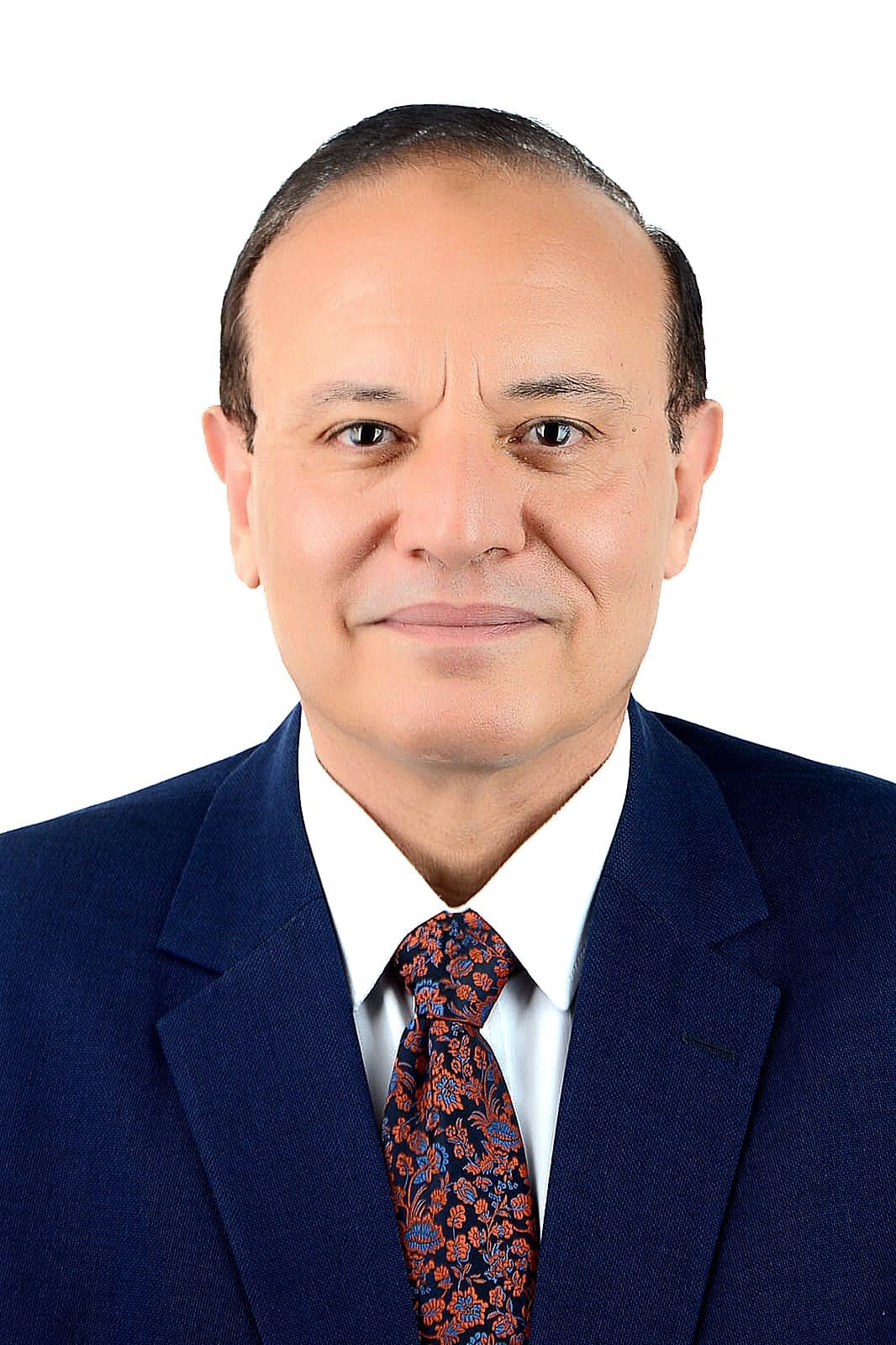
Professor
• Professor of Phoniatrics, ORL Department and Ex-Vice-dean for postgraduate studies, research, and cultural affairs, Faculty of Medicine, Mansoura University, Mansoura, Egypt.
• Dean of the faculty of Medicine, Nile Valley University, Fayoum, Egypt.
• President of the International Association of Communication Sciences and Disorders (IALP).
• The Chair of the committee for preparation of the European Board Examination-Phoniatrics at the European Academy of Phoniatrics.
• Chair of the Scientific Committee of the Egyptian Board of Phoniatrics Medicine (A subcommittee of the Egyptian Council of Medical specialties).
• Committee Secretary of the Egyptian promotion committee of the assistant professors and professors in ENT, Phoniatrics, and audio-vestibular medicine of the Egyptian universities.
• He established the Phoniatric units in three Egyptian universities: Mansoura, Zagazig, and Kafr Elsheikh.
• Visiting lecturer at Malta University (2014 – till now).
• He established the curriculum for teaching phoniatrics to undergraduate and postgraduate medical students (master’s and doctoral degrees) at the Faculty of Medicine, Mansoura University, Mansoura, Egypt. He developed the Professional Diploma in Feeding and Swallowing Disorders in Children and Adults at the same university.
• He is the developer and co-author of two Arabic software programs (the Karawan program for the habilitation of hearing-impaired children and the “Takalam” program for rehabilitating aphasic patients).
• He is a reviewer and has many publications in peer-reviewe… Read More


