The $18 Trillion Market VCs Keep Ignoring with Rich and Brittany Palmer


 Apple Podcasts
 Spotify
 Overcast
 Castro
 PocketCasts
 RSS Feed
 Today, Mai Ling sits down for an in-depth discussion about how to get outside investment for your disability-focused ventures with husband-and-wife entrepreneur team, Rich and Brittany Palmer. Leaning into their previous experiences with the startup world and the disability community, they founded Adaptation Ventures, a pioneering pre-seed fund and investor community dedicated to fueling tech innovation in disability, neurodivergence, and accessibility. Brittany and Rich share their individual stories, what brought their paths together, and how they have joined forces to help founders tap into venture capital and angel investment to fund their ventures. They clarify investment lingo, share tips and tricks, and more in this conversation.
Contact Mai Ling: MLC at mailingchan.com
Contact James: James at slptransitions.com
XL_The $18 Trillion Market VCs Keep Ignoring with Rich and Brittany Palmer
===
[00:00:00] Mai Ling Chan: James, quick question. If I told you that people with disabilities are 400 times less likely to raise venture capital than their peers, and that most venture capitalists, also known as VCs, still call this market niche, what would you say? Uh, I'd say somebody hasn't looked at the numbers, because we're talking about 1.4 billion people globally, 18 trillion in spending power, and a demand curve that's just keeps going up.
[00:00:24] Mai Ling Chan: Exactly, and that's what today's guests have been trying to get investors to understand, sometimes successfully, and sometimes to rooms full of just blank stares.
[00:00:35] Rich Palmer: This concept of the curb cut effect is saying things that are made with necessity in mind have this kind of like universal appeal, just like the curbs that were cut out of the road, which were advocated for by people in wheelchairs, but moms in strollers, the UPS person, using your suitcase, everybody gets to use it.
[00:00:56] Mai Ling Chan: Welcome to the Exceptional Leaders Podcast. I'm Mai Ling Chan, and together with James Burgess, we're getting you top tips and resources for building and scaling your disability-focused offerings straight from the forefront of disability advocacy and leadership. Brittany and Rich Palmer are a husband and wife team running Adaptation Ventures, a pre-seed fund investing exclusively in disability, neurodivergence, aging, and accessibility startups.
[00:01:23] Mai Ling Chan: Brittany is a corporate attorney born with a bilateral below-elbow limb difference, who started her own accessible travel company during COVID and heard, quote, "The market is too small," from every VC she pitched. And Rich is a Wall Street computer scientist turned founder who had a brain aneurysm rupture at 29, full craniotomy.
[00:01:41] Mai Ling Chan: Hmm. And he had to learn how to walk, talk, read, and write. Wow. What a dynamic duo who stopped waiting for investors to get it and became the investors themselves. Yep. And what I love about this conversation is they break down the mechanics, um, exactly how angel investing works, what an accredited investor is, how founders with disabilities should structure a pitch so the story lands but the numbers close.
[00:02:04] Mai Ling Chan: It's so important. And they even share the one signal that tells you you're ready to raise.
[00:02:11] James Berges: Yeah, these are all helpful things that I think every founder would love to know at the beginning of their journey or in the middle. Speaking of signal, though, I've heard a signal that it's your birthday, Mai Ling.
[00:02:21] James Berges: Happy birthday. Thank you. Yay, the whole month of May. Oh my God, yeah. May is better. Mai Ling Speech and Hearing Month. Um- ... it's A- Asian American Heritage Month, it's Jewish American Heritage Month, but it's Mai Ling May month. That's what I'm gonna remember it as, so awesome. Well, happy birthday. Um, and whether you're, it's your birthday or not, or you're just a founder sitting on an idea, a clinician who's been noticing gaps for years, I want you, the listener, to listen all the way to the end to hear about how you can spotlight your idea on their new platform, which is called Ability Lane.
[00:02:58] James Berges: Or if you came into some birthday gifts and you wanna invest where your values are, Rich and Brittany pull back the curtain on all of it. Let's get into it.
[00:03:10] Mai Ling Chan: All right, so this is a very special episode for me because I typically only interview one person at a time. And I told Rich and Brittany this because it's just been like this PTSD that I've had from when I started the podcast eight years ago. So today though, I have both of them on here because I am so excited and honored to hear people's stories of their creation, their ideation, their, you know, getting started story.
[00:03:34] Mai Ling Chan: And when you have a husband and wife team that are doing it and doing it well and s- so successful and, um, constantly on that united vision path, it is such a precious journey. So I wanna welcome both of them here. And for our listener, if you can just be, um, gracious with us and patient as we're going to get backstory from both of them, 'cause I think it's so important.
[00:03:54] Mai Ling Chan: And then, of course, we're going to dive in and give you some pearls of wisdom from their journey on the road. So welcome Brittany, and welcome Rich. Thank you. All right. So I'm gonna start with Rich just because I think I've had more conversations with him, if that's okay. Um, Rich, can you tell us a little bit about, um, Adaptation?
[00:04:10] Rich Palmer: Just a little bit about it, and then, yes, let's get into how you met Brittany and how you guys got started. Yeah. Well, and thank you, uh, for having us today, and for everybody listening, we're really excited to, to share our story and be a, a hopefully a two for one, uh, here. But I often call Brittany my, my better seven-eighths, so you'll, you'll be hearing- Aw
[00:04:29] Rich Palmer: that a lot more there. Um, but in a, in a nutshell, Adaptation Ventures, and this is the marketing speak, is a pioneering pre-seed fund focused on disability, neurodivergence, aging, and accessibility. And that includes everything that startups focus on for permanent disabilities, temporary disabilities, progressive disabilities, and things like diagnostics, so if we can prevent, uh, folks from going down a path or avoid, you know, the chronic conditions that turn into permanent disabilities.
[00:05:00] Rich Palmer: Like, anything focused on those topics is kind of the things that we, we, uh, we're investing in. And what's, what's really cool is it's based off of a lived experience that we will tell you about, a shared lived experience between us. Many of the investors that invest with us have disabilities themselves.
[00:05:17] Rich Palmer: So we have people who are blind, who have hard of hearing, paralysis, uh, cerebral palsy, who are caretakers, who are all sort of being able to vote with their dollars to see which startups they wanna see, um, out in the world. Um, and as you know, you know, some of the largest companies in the world were venture-backed first Uh, and that has been sort of not part of the disability tech landscape.
[00:05:44] Rich Palmer: And so we're really excited to lean in based off of our experiences too. So I love it. Um, I think that when we think about, like, Silicon Valley and sexy startups, you know, all of that, um, for the most part historically it has not been disability-focused innovation, and so this is why this is perfect for our show.
[00:06:01] Mai Ling Chan: Okay. So welcome, Brittany. Tell us a little bit about yourself and how you got involved. Yeah. So, um, I was born, uh, with a bilateral below-elbow limb difference, so I have been adapting to things my entire life. I started my career as a lawyer, um, doing corporate environmental and health and safety law, and I was doing international consulting in Boston before I decided to, uh, start my own business, and I took it a completely different way.
[00:06:35] Brittany Palmer: I wanted to do two things that really, um, that I was passionate about. Uh, one of those was travel, and the other was- Mm-hmm ... um, helping people with disabilities. So I started a startup that was a live and interactive virtual tour company for people with limited mobility and other conditions that prevented or inhibited travel.
[00:07:00] Brittany Palmer: And at the time, there were a lot of startups in the space that were focused on wheelchair-based travel, but none that really took into account all the other disabilities out there. So I was really trying to bring true equal access to travel, and during that time I pitched a lot of venture capitalists and a lot of angels, and I kept hearing from venture capitalists that the space was niche, that it was small.
[00:07:31] Brittany Palmer: Um, no matter how many p- white papers I showed them, talking to them about how big the space was, it just wasn't getting through. And so after that, I advised companies, and Rich can tell you a little bit about how we got into angel investing. But we started doing more angel investing and had a lot of founders ask us if we can lead rounds because they couldn't find a lead in their pre-seed rounds of funding, that, like, first money, high conviction in.
[00:08:05] Brittany Palmer: And so that's when Rich and I decided, like, we need to do something about this. We, you know, we see other VCs in the space that are focused on just future of work or just neurodivergence, but we really wanted to fill in the gaps at the early stages. And so that's how Adaptation came to be, and Rich can certainly share more about sort of his parallel journey to that too.
[00:08:29] Brittany Palmer: I'm so
[00:08:30] Mai Ling Chan: 'Excited. I'm, like, jumping out of my chair. It's so funny. So my, my co-host knows me, and he's like, "I could just tell, Mai, you were so excited to get a question in there." Um, that's James Burgess. You guys will hear all about him later. Okay. So I have a couple vocabulary words here, in here that I wanna share because a lot of our listeners are...
[00:08:46] Mai Ling Chan: I love to call them mom-and-pops. You know, we are people who- Mm-hmm ... who came into entrepreneurship because we had a fantastic idea. You know, we saw the gap. We saw the need. Um, but we're not an accountant, a business, you know, um, major even. And now you guys are talking about, like, the ultimate area, which is, like, getting an investor.
[00:09:05] Mai Ling Chan: So I have a couple words here, and if you know it, you know it. If, and if not, then just, you know, be patient with me. So I'm thinking, um, VC, so we got venture capital. So this is somebody who is going to invest in a company. They don't have to do it, and there's no guarantee that you're gonna get the money back.
[00:09:20] Mai Ling Chan: You know, it really is a high-risk type of situation, and so there's a lot of vetting, a lot of investigation that you're gonna do into the types of company and the people that you're gonna invest in, okay? And this is where not all companies go, but if you want to really grow in scale, you have to decide if you're gonna get out of that, "I'm using my own money.
[00:09:39] Mai Ling Chan: I'm getting my fin- friends' and family money," which we've all been there, "I'm going to get my loans, or I'm gonna go big, and I'm gonna get a venture capital." So, so exciting. Next thing I wanna talk about is you brought up angel investing, and this is an area, too, so it's like, okay, so who's actually going to invest?
[00:09:57] Mai Ling Chan: And I think this brings us into, and correct me if I'm wrong, Rich, the accredited investor area. Mm. Right? So I'm, I'm gonna have you say it because, you know, I'm a little gray on what the numbers are, but I know you have to have a certain amount of capital that you can invest. So go ahead and let us know, what is an accredited investor?
[00:10:11] Rich Palmer: Yeah. And do, do you want me to lead in from my backstory into the angel side? I can do that too. Yes. But- Yes, that'd be great ... we will-- I have this tendency, and Britt knows, and maybe I'm already there, but we, I, uh, take off a lot of planes, and then hopefully we land a few, and, uh- Okay ... so we will land some planes here.
[00:10:27] Rich Palmer: But I was a, a Wall Street computer scientist when, um, I actually first met Brittany about two years before we started dating. I was dating somebody else, and in classic form, about to move from New York City to Silicon Valley to start my first company, which I started with a fellow computer scientist, and we, we coded a lot, the website looked great, and we forgot to talk to customers.
[00:10:52] Rich Palmer: Uh, so that went about as well as you would expect. Right. And then came back, I came back to New York City. Um, the founder of the company I was working for Had raised a whole bunch of money and was n- needed a product person to kinda like bring everything to life, and so that's when I, uh, leaned in there.
[00:11:09] Rich Palmer: And this was, I was about 28 at the time when this was happening. And reconnected with Brittany. We, uh, started dating during this time. Yay. And then, uh, a year later, we're actually living in DC 'cause she had a, a clerkship at the federal government through her work And I had, of all things, a brain aneurysm rupture.
[00:11:30] Rich Palmer: Oh, amazing. So, uh, unexpected. I was on a stationary bike, you know, uh, and worst headache of the life kind of thing, and had to go through everything, the full brain surgery, all of that- Wow ... fun stuff, to have to lear- relearn how to walk and talk and read and write kind of all over again. And that created, like, a divine moment, if if I might.
[00:11:51] Rich Palmer: Like, uh, like this intense need to go do something good with the dark arts that I had established from the Wall Street days. Which, very long story very short, brought me to Babson College, which is, like, number one in entrepreneurship for 30 years. Uh, I applied with a c- I was, you know, walking with a cane and a shaved head, and they graciously-
[00:12:14] Rich Palmer: let me in. Really, really tough to, uh, to study or do any of that kind of stuff during that time, so I needed all of the, like, the extra time, accessibility tools, and everything. Ended up starting a company 'cause I met somebody who works with donors, so, like, the fundraising office there. And we realized that a lot of his work was gonna kinda overlap with the work that I had done on Wall Street.
[00:12:39] Rich Palmer: So how do you choose of the infinite number of people you can talk to today to, you know, bring to an event, to ask them for money, to- Mm ... bring in a student? Who's the right person? Similar to- Mm ... the infinite number of stocks. Which one do I pick or choose? And so we ended up starting a company focused on that.
[00:12:56] Rich Palmer: So it's AI for social good, where we helped hospitals, nonprofits, and colleges, uh, fundraise. Mm-hmm. So this is where the arc comes back in, so I promised you. During that time, so you had a computer scientist with battle scars and a domain expert in fundraising teamed up together. VCs still didn't wanna touch that company either.
[00:13:16] Rich Palmer: And it was only angel investors that took a shot on us, because they were either on the boards of nonprofits, so they understood the problem, or they were the biggest donors there. And long story short, when we, uh, we ended up exiting this company, uh, 'cause it was... it's a universal problem within the nonprofit space.
[00:13:36] Rich Palmer: Um, so it was a really nice, healthy exit to these angels. And the day the check hit my bank account, I became an angel investor. And that angel-
[00:13:42] Mai Ling Chan: So can you... So expand that. So how is... What- Yeah. I know I, I said the words accredited, so, you know, what is that? Yeah. 'Cause everyone's like, "We need an angel investor."
[00:13:49] Mai Ling Chan: What is that?
[00:13:50] Rich Palmer: Yep, yep. So, uh, and, uh, I am... Uh, well, caveat with saying I am not an accountant, I'm not a lawyer or any of these kinds of things. But as long as... There's, there's sort of two... There's many ways you can become accredited. It's a threshold, typically, of either net worth. So excluding your primary residence, do you have a million dollars or more?
[00:14:10] Rich Palmer: Or if you, uh, alone, I think Brit, right, make over $200,000 in the past two years of income- Yeah ... or with a spouse or your partner, over $300,000. Mm-hmm. There's other ways to test into it, or if you work for a company that has it, but those are like the primary ways that angels kind of come in. And what's really cool is, um, I ended up leading probably the third-largest angel investor group in the world.
[00:14:37] Rich Palmer: Uh, we moved... It was $150 million portfolio. We saw thousands of companies. It was 185 people that I got at a really young age to, like, work alongside of, deeply due diligence and learn how companies work, and then guide them. Like, we often say we're not in the check-writing business, we're in the exit business, which means these companies reach scale.
[00:15:00] Rich Palmer: I joined the board of the Angel Capital Association too, which just governs from being a baby angel to being a leader to all angels. And you can imagine telling my story, having come kind of both from the ground up in terms of startups and the ground up in terms of health, that story works in almost every room in, in Washington.
[00:15:22] Rich Palmer: And so I was- Mm ... doing a lot of public policy work. How do I get underrepresented, overlooked folks their first money in to help the people like Brit and me, uh, succeed? And so I don't recommend doing it 'cause it was very, uh, very nerve-wracking, but I actually testified before Congress on this too which is quite, uh... That's on the resume, but I don't want anyone to repeat me on that one. I don't recommend it.
[00:15:46] Mai Ling Chan: But thank you. Thank you for that work. And this is such an incredible story of lived experience on both parts. Um, and we do find founders who come together, you know, in that space, and they, they build something.
[00:15:55] Mai Ling Chan: But obviously yours, Rich, uh, having a major event in your life, and I love you using the word divine, and then moving all of your skills and talents and experience, you know, into this sector. So I've had experience as a mentor for startup and accelerator programs, and I've been doing this probably about 10 years.
[00:16:14] Mai Ling Chan: And 10 years is actually not a lot of time in this space 'cause the space is so new, right? And when I first started, we were seeing a lot of the decks where you're telling your story. And honestly, the-- I hope that nobody that we presented to is listening, but the people that were, were on those calls were really just not interested, touched, moved, you know.
[00:16:36] Mai Ling Chan: Um, and I could see you guys shaking your heads. You know, it's like, yeah, yeah, yeah, another TBI. Oh yeah, you got leukemia. I mean, it was like, "Ah." I mean, this is, this is what gets me out of bed every day, you know? And it was very, very hard on the founders 'cause not only, you know, did they have this amazing life story, you know, where they've, they've shifted their entire lives to work on this or their whole lives working towards this, right?
[00:16:59] Mai Ling Chan: But then they're talking to somebody who's just like, "Yeah, okay, how much money am I gonna make?" And it took a long time, and people like you, where it's just a lot of quantity and quality of people, right? So I hope that my listener, like you're hearing this, is we know how hard this is, you know, and it sounds like the three of us have kind of had this experience of, you know, being in the background and trying to push forward, like put into the spotlight how important disability innovation and investment is.
[00:17:26] Mai Ling Chan: And that's why they're here today So I, I think it's hard to segue to the next thing, so Rich, I'm gonna let you take us. Where, where should we go next with this?
[00:17:34] Rich Palmer: Um, I might, I might help guide us into the curb cut effect at this point, if that's okay. Nice. So- Yeah, well, I just wanna jump in. When, um, Brittany said something about, you know, like wheelchair.
[00:17:44] Rich Palmer: So wheelchair is disability. Even in AI, it's only now changing that I say I would like somebody who has a disability in this picture, and it's not somebody- Mm ... with sunglasses or in a wheelchair. I'm actually seeing people with prosthetics and like I did not prompt it for it, so that's how I keep testing.
[00:17:59] Rich Palmer: I'm on the forefront- Oh ... of presenting for AI and accessibility. Yes. Well, and it's in, it's even further up than, than that. Your audience probably knows this, but 80% of disabilities are invisible, and 80% of them are acquired through time, and so you have this like massive hidden kind of mark- We call it the world's largest overlooked market, where across physical disabilities, cognitive disabilities, even like metabolic, like what's happening inside your body, it just creates this massive scope where if your only experience with this, as traditional investors, the only experience, if they've had it, which one in four people have a disability, so they likely have, maybe they don't wanna talk about it, which is totally cool, or they're kind of projecting outwards and seeing the poor person on the street who's like homeless in a wheelchair with missing limbs, which is like, that's what they're like, that's their lived experience.
[00:18:56] Rich Palmer: And so a lot of times we find ourselves doing what founders are doing, which is breaking people of that understanding, and we usually start from the curb cut effect and ask, uh... And this is like, this won't work on us founders 'cause we already know it, so anyone listening, we already know the game, but the game that we play outside is asking an investor like, "Did you use an electric toothbrush today?"
[00:19:20] Rich Palmer: Did you, uh, watch a video with subtitles on? Did you listen to an audiobook? Did you even talk on the telephone? And they say, "Well, of," like, "Of course," unless they're lying or disengaged, right? And we say, "Well, none of that necessarily was made for you. It was designed for or inspired by people with disabilities."
[00:19:42] Rich Palmer: We try to say telephone to draw people in 'cause they'll be like, "No, no, no, that's not right," right? Mm-hmm. Just to kinda draw them into our space so we can, like, educate them and say, "Well, you know, Thomas Edison's mother and wife were both deaf," and there are stories of him talking directly onto his mom's head so the vibrations kind of transmitted, you know, quote, the sound in there.
[00:20:03] Rich Palmer: Alexander Graham Bell, not Thomas Edison, I saw Brett saying. Very good at keeping on track. Um, but, like, and so this concept of the curb cut effect is saying things that are made with necessity in mind have this kinda, like, universal appeal, just like the curbs that were cut out of the road, which were advocated for by people in wheelchairs, but moms and strollers, the UPS person, using your suitcase, everybody gets to use it.
[00:20:30] Rich Palmer: And so we usually guide founders, and this is how we invest. This is the lens through how we invest as well, through the curb cut effect. So your story is true, and it's intense, and every single day we meet people who have gone through either, like, very tough, challenging disabilities in life or they built a company based off of the worst day of their lives too.
[00:20:52] Rich Palmer: And if you stay with the story too long, you risk losing the investor. Like, you risk being seen as a, a charity case, if, for lack of a better word. But if we can say, "Well, one in 50 people has a aneurysm right now," or, "Every 90 seconds a limb is amputated," or, "Because we're listening to music on full blast, one in 10 people is gonna have disabling hearing loss," all of a sudden you get this space to play with where it's like my story represents hundreds of thousands if not millions of people.
[00:21:27] Rich Palmer: And then when I take it to the next level and I cut the curb for us and this thing that helps ADHD thinkers handle executive function, when we work for the edge case, everybody actually wants that as well, right? Mm-hmm. And so guiding people from the story quickly to the market to this massive market is how we like to visit, see companies and how we urge any founder looking for to raise money to kind of follow that formula as well.
[00:21:56] Mai Ling Chan: Yeah. I think there's a lot of this, like, how does it affect me, you know, and my world? Um, I know a couple years ago we were starting to do more with, like, say, dementia, um, investment technology, all of that, and it's almost like someone is kinda paying it forward, you know? So I'll invest in this and maybe then I won't get dementia.
[00:22:14] Rich Palmer: We get that a lot. We get that a lot.
[00:22:18] Mai Ling Chan: Yes. But, you know, we're, we're looking at it that these things are, are affecting our loved ones, you know? And more and more, and it's un- it is unfortunate, but more and more we are seeing that someone is coming into an investment because of someone very, very close to them, you know, and it's because of this person.
[00:22:33] Mai Ling Chan: They even will change careers, and that's where we find a lot of our healthcare workers, you know, that they were, y- you know, really impressed, you know, with somebody that took care of their, their loved one, you know, a mom, a kid, or whatever, and then they move into, um, that profession. It's been amazing.
[00:22:49] Mai Ling Chan: If you're like me, you can't get enough of books, podcasts, blogs, and other ways to find out how to create, grow, and scale.
[00:22:56] Mai Ling Chan: That's why I brought together 43 disability-focused leaders to give you more of what you're looking for. You will hear their stories in three best-selling books, which focus on general offerings, augmentative and alternative communication, and speech language pathology. I invite you to search for Becoming an Exceptional Leader on Amazon so you can learn intimate startup pearls of wisdom and keep growing your brilliant ideas
[00:23:21] Mai Ling Chan: Now let's get back to our amazing interview.
[00:23:24] Mai Ling Chan: Okay, Brittany, I gotta hear your voice again. So when you made the shift, and this is really interesting, so for a woman who is a professional and is so accomplished, and obviously, you know, you've gone through higher education and all of this with a visible disability, and now you're moving into a company, and you're in so many different areas. When we say, like, marketing, you know, you're a brand now. You are the face of the company. How has that shift been for you? It's been interesting. I think, you know, there's a lot of stats out there that talk about Women who are raising funding for their companies, right? Like, a small, very, very small percentage of venture capital goes to women.
[00:24:10] Brittany Palmer: So there was a barrier there. It, it was the same thing in law, too, but not to the extent that it is in venture capital. And then studies have since come out talking about how people with disabilities are 400 times less likely to raise venture capital than their counterparts. Wow. And so when you marry those two together, it's, it's very difficult.
[00:24:39] Brittany Palmer: I, one thing that-
[00:24:39] Mai Ling Chan: And Brittany said, "Challenge accepted." Yeah, challenge accepted, right? I...
[00:24:44] Brittany Palmer: there's, uh, there's not been, uh, very many times in life that I will just, you know, not do something just because of the odds, right? And I think what was interesting is when we're, like, talking here on, like, video, typically over Zoom, you can't see my disability.
[00:25:07] Brittany Palmer: And during COVID, which is when I started my company, all of those meetings happened over Zoom. Mm. So people can't see it, so their mind can't necessarily wander in terms of, like, how can she do this? How can she do that, right? So it was somewhat of a benefit, and now that we are, like, more, like, uh, in-person presence, it's been interesting.
[00:25:35] Brittany Palmer: And I think people are more open to asking me questions like, "How do you do this? How do you do that?" And I think before people might have been afraid to ask because they might have thought, like, oh, this will be embarrassing for me or for her, or it will offend her or something like that. And since we've started this company, actually, I think people...
[00:26:02] Brittany Palmer: It's given people freedom to just ask questions, which I would much rather have someone ask me, "How do you type? How do you drive? How do you do this?" than assume I can't do any of those things. Yes. And that, like, I'm just here as sort of a figurehead kind of thing for the company as opposed to actively engaged and doing the work.
[00:26:26] Brittany Palmer: And so that's been a very interesting sort of- Change from the venture capi-, like raising venture capital and having people kind of silently question it, but not be able to see it, so they don't really know what to question- Mm-hmm ... versus now having people be very open. And, and I always love it too, because it's educational for people.
[00:26:52] Brittany Palmer: And so the next time they see someone with a disability, they are not going to assume that that person can't do anything. They're... That hopefully they'll think, "Oh, well, you know, Brittney was able to do this, so maybe I should ask them how they do it instead of assuming that they can't." So it's been a really interesting sort of development and, and pivot and, you know, just making sure that people understand my background and my capabilities and, you know, my education so that I'm not discounted as a person with a disability or as a woman in this space.
[00:27:26] Mai Ling Chan: Yeah. That's huge. So all of a sudden, so here you are, this professional, accomplished woman in, in law space, right? And that, that we know this, it took you so, so much just in education and being a woman in the field, right? To establish yourself, and now you're transparent and genuine and, I mean, that's amazing.
[00:27:46] Mai Ling Chan: And I'll say even for myself, I can feel that like, ooh, that, that must have hurt. Because, as I mentioned, when I got my diagnosis of ADHD, I was like, "I don't want anybody to know because they're gonna think that I can't handle the projects that I'm doing." And in truth, and this is where I'm going, is that there really is a challenge.
[00:28:02] Mai Ling Chan: You know, the elephant in the room is, yeah, I'm ha- I'm having issues. I'm struggling, but I have been doing this for... And my age is 54. I'm gonna be 54 this month. I've been doing this all my life, and I know me. And so I have all of these technology supports. I've got these alarms that go off. I've got lists.
[00:28:21] Mai Ling Chan: I've got, I've got all these things, and that's what's gotten me to where I am today. That's why I'm so successful. You know, it's like the odds behind the curtain. Yeah. And so Brittney, for you to share like that is also educating these investors, you know, people that are, are the decision-makers To ask the questions, feel comfortable, like you're giving them that grace.
[00:28:40] Mai Ling Chan: You know, "Go ahead, ask me." And then maybe, it, like you're saying, maybe they'll take that with them to the next conversation and already understand that, yes, you know what? I know that Mai, 'cause she said she has ADHD, you know, she is doing it, but wow, look at all that she's accomplishing. Because I talked to Brittany, and Brittany actually told me, right?
[00:28:57] Mai Ling Chan: That's, that's so beautiful and so important. And for our listener, like, I just want you to know that all of us out there, we have, like Rich was saying, we have all of these accessibility things. Glasses, you know, we have things that are helping us. And when we, we pull back that curtain and we share, we're actually giving someone so much more information in that, you know, that they can realize how much more you are doing and how well you're doing it.
[00:29:20] Mai Ling Chan: So my gosh, again, I'm like jumping out of my chair. This is such a great conversation. Go ahead, Rich. I can see you. He's ready.
[00:29:25] Rich Palmer: Well, it's, I, I think, right, we'll go into something I'm not sure we've publicly discussed, but like this'll be... You're allowing a space for a conversation to happen that's kind of a yes and conversation.
[00:29:35] Rich Palmer: So people assume all sorts of things about Brit, based off of like her physical disability, and assume I'm totally okay, right? And if you stacked up the kind of health resume of me, you'd be like, oh my God, how did this actually hap- One of the worst things, like the, um, the aneurysm was legitimately bad.
[00:29:56] Rich Palmer: It's one of the worst things that someone can go through. The craniotomy, where they cut through my skull, uh, the nerves grew back about two years later, and in an incorrect pattern. And so if you know anything about like ghost pain for amputations or anything like that, it's shooting effectively pure pain signals back and forth and not getting a response, right?
[00:30:18] Rich Palmer: And so when I started my company, that's what was happening to me And so people are having all these assumptions about Britt, when in reality it's me who's got the crippling nerve pain needing- Wow ... to hide and mask. I know, like, all of my neurodivergent friends and everything, like, like we mask our executive function issues, we mask how we actually think, we mask how we feel.
[00:30:42] Rich Palmer: And one of the things we, we always wanna do as investors is, like, in this space is, like, allow people to be, like, absolutely, truly authentic. And we always tell them, like, we're gonna find out no matter what- Yeah ... 'cause these are long-term jour- relationships. But, like, let's start off with, like, that conversation of, like, what is your real challenge?
[00:31:02] Rich Palmer: How do we work around it? And this is like a team sport anyway, so, like, we don't feel like everything has to fall on your shoulders. So it's quite fascinating to watch people make, make assumptions between us- Yeah ... and in the background we're just giggling, like, "If they only knew," you know? That's amazing.
[00:31:18] Mai Ling Chan: Yeah. Rich is the, Rich is the beauty and Brittany's the brains behind the scenes. Yeah. Uh, the, I'm the talker and Britt gets all the actual stuff done. If you can't tell. I love it. So I'm thinking back, um, like I said, I've worked with a couple of these accelerator programs, and I luckily did get, like, the one person with a disability.
[00:31:37] Mai Ling Chan: They'd be like, "Mai, you know, we need you." And it was like, okay, great. This is interesting. But we did struggle, like, health issues, you know, um, being able to ... Breath support to do an entire pitch deck. I mean, the strangest of things, right? Like, everything else is perfect. The numbers are there, right? So, like, how are you guys helping and coaching and prepping your founders to get through these pieces that, like, typical, right, typical founders are not experiencing?
[00:32:06] Brittany Palmer: I think it depends on the situation, right? We, we typically see three types of founders. We see founders with disabilities, we see founders who are caregivers of kids with disabilities, and then we see, like, the clinician who's been in the field for 10, 20 years and has noticed gaps and is building something to, to meet those needs.
[00:32:29] Brittany Palmer: And I would say on, like, the founder with disability side and then the caregiver side, there are always gonna be questions around, like, how do you do what you do? On the caregiver sid- like, for disabilities, on the caregiver side it could be, how are you gonna run a venture-backed business when your child has, like, significant needs?
[00:32:50] Brittany Palmer: And I think, to an extent, if you can present a very strong pitch to investors that give them the sense that this company is going to be huge and make them a lot of money. Mm-hmm. That is the number one most important thing. Because that's what they care about. They want their returns. And as much as a founder cares about this, and we talked about them, you know, going heavy on the story, it's great to know that you have first-person perspective, and an investor loves that, but then you have to move on, and you have to talk all about the stats.
[00:33:33] Brittany Palmer: Presenting yourself as strongly as you can, as competently as you can Will make an investor question less your capability of being able to do the work. And if you feel like it is something that you really have to address, like in the situation that you just described, I would encourage the founder to literally tell the investor, "This is my situation, this is how I deal with it, and this is how it won't be a problem."
[00:34:08] Brittany Palmer: "And I'm happy to answer any questions you have." Because otherwise they're not gonna ask because of laws and all of that. They're going to assume. But if you give them the space to ask questions, I think it'll be a better conversation and, and kind of assuage any concerns. So there, there's sort of two things.
[00:34:30] Rich Palmer: On one side, we always check references too. So like if you are a founder like this, like I will trust you, but I will really trust a reference, and then I will most trust the reference you didn't give me, which is like my back channeling through friends and people I find. So like, no matter what, we'll figure out how the r- the real story is like for everybody.
[00:34:51] Rich Palmer: On the flip side, so when we look at a company, we write back from, uh, at least a 10X return. 'Cause every... You know, 90% of ventures fail, so you need to have like, for us, it's between 20 and 30 companies. Some of... About a third will not make it, a third will just return the money, and the third will return the whole fund and create, uh, money for investors.
[00:35:15] Rich Palmer: So any single one of those companies needs to be a mega success, which is- Mm ... how we kinda look at it. But we also come back from reality. So the reality is most companies that exit happen between 50 and $250 million. So a 10X into this landing zone means we work backwards from, you know, the size of the company, how much cash they need, and all that.
[00:35:37] Rich Palmer: So we're very formulaic about this. We want all unicorns. A unicorn is a billion dollar plus company. They're... I don't know if you've ever seen a unicorn, I think they're imaginary. They're often on paper. It's not real. And so we would like working backwards from reality, right? So then reality, we gotta take that even further, which we've mentioned Babson a couple of times.
[00:35:57] Rich Palmer: After I sold my company, I was, um, an adjunct professor of n- new venture creation there. And so basically, like people who have ideas over a 14-week period, how do you make them reality? How, how do you evaluate the market, talk to customers, learn how to fundraise, and do all this kind of stuff? What you learn is that only about 5% of companies raise money from venture capital.
[00:36:21] Rich Palmer: Most companies, if they're going to, quote, "raise money," bring in money from somewhere else. It's small businesses. It's from banks. It's from lending instruments. That's like one set of reality that also intersects with the fact that if you are neurodivergent, you are five times more likely to be an entrepreneur And the definition of entrepreneur is, I think, important, 'cause entrepreneur is everything from, like, the solo gig worker to an intrapreneur at a, at a corporation to a small business to the venture backable stuff.
[00:36:53] Rich Palmer: And it's just because the way you work and your operating model and everything just kind of doesn't fit in the existing box. You, you're compelled to make a new box, right? I talk about entrepreneurship being a disagreement with reality and the will to make a change. And so bringing people through that whole journey, entre- We are seeing even new models of getting returns where it's based off of your revenue or it's based off of, like, crowdfunding.
[00:37:22] Rich Palmer: There's many ways to go about, about all this. The one true thing which we kind of filter out sometimes is when you accept our money as investors, there's a clock that starts, and we need to get out of this company within, let's say, seven years or so If you don't wanna give up your baby, you should not raise money.
[00:37:43] Mai Ling Chan: Yep, exactly. Yeah. Yep. Yeah. Yep, that's-- So that's, uh, you know, are you creating a legacy business or do you have an exit strategy? Yeah. And so I've been in and out of a couple of companies, and my first one I didn't have an exit strategy. This was it. This was... I think I was 25. "Yeah, this is-- Oh, I'm gonna retire on this," you know?
[00:37:59] Mai Ling Chan: "This is my baby," right? Now you're like, "Okay, I wanna be out of this in three years," right? Three or five years, and these are the people that I wanna sell it to, and so you are building it with that in mind. I l- I love the direction. Okay. So just stepping back, after all this we've learned that you have two clients, the one are at the side of the founders, which is amazing, and those are the people that I believe are listening as our exceptional leaders.
[00:38:19] Mai Ling Chan: And then we have the investors, which has always been this like, "Oh my gosh, how do we find them?" And we've, um, kind of delved into angel investing and how adaptation has really found this niche area. And so I just wanna spend a little time, how do you find the investors and how are you preparing them and, you know, helping them to come into our community?
[00:38:40] Rich Palmer: Rich, do you wanna take that? Yeah, I'll go for that one. That, I-- we've never been asked that question that way. That is, uh, preparing them for our community is, is the thing I'm sort of just like sitting, being present with. Because what is interesting is half of our investors are sort of the financial investors.
[00:39:00] Rich Palmer: So they're things called family offices which are usually like, um, exited founders or multi-generational wealth that kind of invests on its, in its own, but they do a lot of stuff. They invest in buildings and companies and stocks and all that. Uh, there's angel investors, there's financial professionals.
[00:39:17] Rich Palmer: There's this like bucket that, that many, many amazing qualities, but they're financially minded. And then the other side are folks that are cued into our community already. So they are members of the community. I mentioned- Right ... we have all sorts of folks, maybe some of them are listening, who have disabilities of various kinds or have raised children who have disabilities or are part of s- several people call it part of the sandwich generation, which is like folks who have aging parents and they're looking at like their scope of losing independence and all of that, and then raising a child who also potentially has an issue and they're in, kind of in between.
[00:39:58] Rich Palmer: And so we have to prepare both sides for different things in order to work together. And I'll, I'll, I'll share why that's like amazing. This is like one of the best parts about what we do. So like if I get giddy I'll slow down a little bit. One side it's like- By talking to the financial side of, of the equation, we share the fact that this is like a demand curve that is unrelenting.
[00:40:24] Rich Palmer: There are billions of people. One in four people, uh, have a disability. 1.4 billion people are gonna be... in the next four years are gonna be 65 or older. Mm-hmm. It's just like up. If you know your economic curves, it's, it's like not a curve. It's just a straight line shooting up. And then the supply of startups, because there's stigma, they're stuck in concept stage, or there's a charity lens to them, is almost flat.
[00:40:50] Rich Palmer: And then we talked about frontline care workers and, and direct service providers, that's going down. Like, we have a shortage. It's a shortage of, like, almost 800,000, uh, home care workers right now. And it's like, oh my God, what balances that equation? 'Cause that's like, there's too many people a- and too much need.
[00:41:10] Rich Palmer: And in the middle is $18 trillion worth of spending power between people with disabilities and their supporters. And that's where we bring in the financial professionals who say, "Oh," like "that's a lot of people, and that's a place for start... Oh, so if the incumbent companies aren't working, who we're..." And they kinda get drawn in on this side.
[00:41:33] Rich Palmer: The people who have sort of more disability-focused mindset, again, they're accredited, so if you have a million and one dollars, you can join us, or if you make $200,000 a three... like, right? You're accredited, right? Most of them haven't done this before, and it's their first time maybe getting involved in venture capital or investing.
[00:41:51] Rich Palmer: They've done this through a charity lens and, like, that... Usually, your money goes in, and you don't know what goes on, and so that's why they come to us. Like, "I want to be more involved," is usually what happens. And so what we end up doing is we bring in companies, and we vet them ahead of time, and every single one of our investors can see all of our pitches.
[00:42:12] Rich Palmer: So you have, uh, you have a billionaire next to someone who's blind next to a caregiver of a, a child with a profound dis- disability next to, um, an experienced investor all kinda looking from different lenses at this company that, let's say... And I'm not gonna pick anything, so we've been talking about wheelchairs, so I'll say, let's say it's an autonomous wheelchair with new technology, right?
[00:42:40] Rich Palmer: And so everybody comes at it from, like, a different angle. And then you can join us on diligences if you want, which is very rare for venture capital. Usually venture capital, the people that run the firm, they want your money and they want you to leave them alone. Like, "Don't bother me. Don't ask me about the companies.
[00:42:59] Rich Palmer: Don't get involved." We are hands-on 'cause we're either teaching people about the community or teaching people how to invest, and you get to do that alongside Brit and I, who are absolute experts at this. And it is it's amazing, 'cause the last thing I'll say is, like, when you, when you look that deeply at a company You build this, like, incredible conviction about the f- person.
[00:43:25] Rich Palmer: We talk to the end users, we get to hear their stories of how they've acquired disabilities, how they live, and all of that goes up in, like, a 15 to 20-page diligence report that we then h- bring around the world to talk to traditional venture capitalists to say, like, "You're missing something, and it's all in this piece of paper."
[00:43:45] Rich Palmer: And so we were investing in one company where we were the smallest check-in. It was like $150,000 check that we had all this process, all this kind of stuff, and within 72 hours we unlocked a million dollars worth of- Mm. -additional capital, right? Wow. Just from conviction, just from diligence, just from the fact that it's like, yeah, we got all the stones of return, so are you in or are you out?
[00:44:07] Rich Palmer: You know? So it's really, really nice, and we're gonna... We wanna do this, you know, traditional venture capital sort of raises money for a year, deploys money into an ecosystem, and then raises, like, another fund, and we're gonna be on that same, um, same pathway.
[00:44:22] Mai Ling Chan: Amazing. Okay. Well, for our listener, hope you were as excited as I was for this, um, episode, and I think that Rich and Brittany really did pull back the curtain for us and share some really intimate, you know, details about themselves and how they got Adaptation Ventures started and also, you know, the real culture and mission behind it.
[00:44:40] Mai Ling Chan: So how do we stay in touch with you, maybe become involved? You know, what does that look like?
[00:44:45] Rich Palmer: Yeah. So, um, to get in touch you can go to our website, which is adaptation.vc. Um, we have different resources, like a whole resources section for founders with books, uh, information about accelerators and, um, pitching.
[00:45:03] Rich Palmer: And, uh, for in- on the investment side, you can fill out an investor interest form if you are interested in joining us as an investor. And then we are actually going to be launching on Wednesday a new platform called Ability Lane that connects founders with community members and investors. And so that is abilitylane.com, and you can go list your, your product as a founder and, as a community member, connect with founders, provide, uh, survey responses and, uh, feedback on products.
[00:45:43] Rich Palmer: We're just trying to create a whole ecosystem, so there will be, of course, through that, more ways to get, to get in touch with us. Um, you can also follow us on LinkedIn. And, uh, Ability Lane as, as well. Excellent. Am I, am I missing anything, Rich? No, I was just gonna reiterate, like, we're about transparency and access, and a lot of times if you're a founder without a strong network, it's impossible to find investors.
[00:46:07] Rich Palmer: So you can, you can pitch us, like, we have that. Like, and we look at every single thing. And then for investors, a lot of times you think you're kind of priced out of getting involved in any of this, and we're-- we set our minimums very, very low. It's about the size of an angel check. Uh, so it's 12K per year for about three years.
[00:46:25] Rich Palmer: And so getting access to this is finally something people can do, and Ability Lane just, like, brings that up to another, a whole 'nother level- which is quite exciting. Um, and you don't need to be venture scale startup to take advantage of Ability Lane. That's the other important part. So it brings everybody in.
[00:46:45] Mai Ling Chan: Yeah, this barrier to entry just, like, went way down, right? Gone. It's gone. Yeah, so like, yeah. Okay. So I- Yeah ... I usually don't do a question at the end, but I have to now- ... which is, for our listener, like, how do they know they're ready for this first step? Whether it's, you know, this, just to have a conversation with you.
[00:46:58] Mai Ling Chan: How do they know they're ready?
[00:47:00] Brittany Palmer: I think it just takes conviction and doing a little bit of research to make sure that you've thought through your market, that you've thought through your marketing plan, and making sure that you're reaching out to the community to test your ideas and your thoughts and your product.
[00:47:21] Brittany Palmer: I think for venture capital, understanding your market and its size and the money behind it is the most important aspect, and finding advisors that will help you along the way. Um, I think doing that and networking is going to be the best way to tell that you're ready, but you'll never know unless you take that first step in and you could hear 100 noes before you hear a yes, but you just have to keep, have to keep going.
[00:47:52] Rich Palmer: So, Mai Ling, when I first did my first company, we needed to raise $500,000. So I went to my richest friend and asked for $500,000. Like, 'cause I, like, didn't really know, like, what you're supposed to... Like, this is how they do it on Shark Tank, right? This is how it is. And he told me something that was, like, profound, and this is the way I tell all startups.
[00:48:11] Rich Palmer: Uh, and Britt, this, Britt was already in this direction, but it, this is The first stranger that pays full price for your product and you're on the other side of that, now you're ready. Mm. So it doesn't have to be a ton of people, and it can be a pilot on the way, you know. But, like, when the first stranger, not somebody who trusts you, but somebody who, like, has to look past that one level, says, "Yeah, I see the value, and we're g- we're all in," that's when you're ready to kinda come out of our, out of us.
[00:48:39] Rich Palmer: Because in the beginning, they, they talk about, like, friends and family rounds, uh, your pre-seed. We use the word pre-seed, so we might want to define that. Friends and family are people that if, uh, I was gonna invest in Brittany, it does not matter whether she's starting a banana stand- Yeah ... or the brand-new, like, AI for, uh, prosthetics.
[00:48:58] Rich Palmer: It, it's on... all, all in on her. Yeah. And then those are the people that trust. When the first stranger comes in, now we can have a conversation about how to get other strangers involved, and that's the way we kinda think about what risk we're willing to underwrite with money.
[00:49:13] Mai Ling Chan: Thank you so much. You guys are building a bridge to an island that has been there, and it just continues to grow, and we're just so grateful for everything you're doing.
[00:49:20] Mai Ling Chan: Thank you again for being on the show with us and for sharing, um, just such priceless knowledge and, like you said, direction for us. So thank you so much.
[00:49:29] Brittany Palmer: Thank you.
[00:49:29] Rich Palmer: Thank you for having us.
[00:49:32] Mai Ling Chan: We hope you enjoyed this episode and invite you to leave us a review on Apple Podcasts and Spotify and share the show with people you think will find value from it.
[00:49:40] Mai Ling Chan: This helps the show a lot. Or have a great guest referral? Reach out to us at xleaders@gmail.com. And if you want exclusive tips on becoming an exceptional leader delivered straight to your inbox, just go to exceptionalleaders.com and sign up for our mailing list. Thanks for listening.
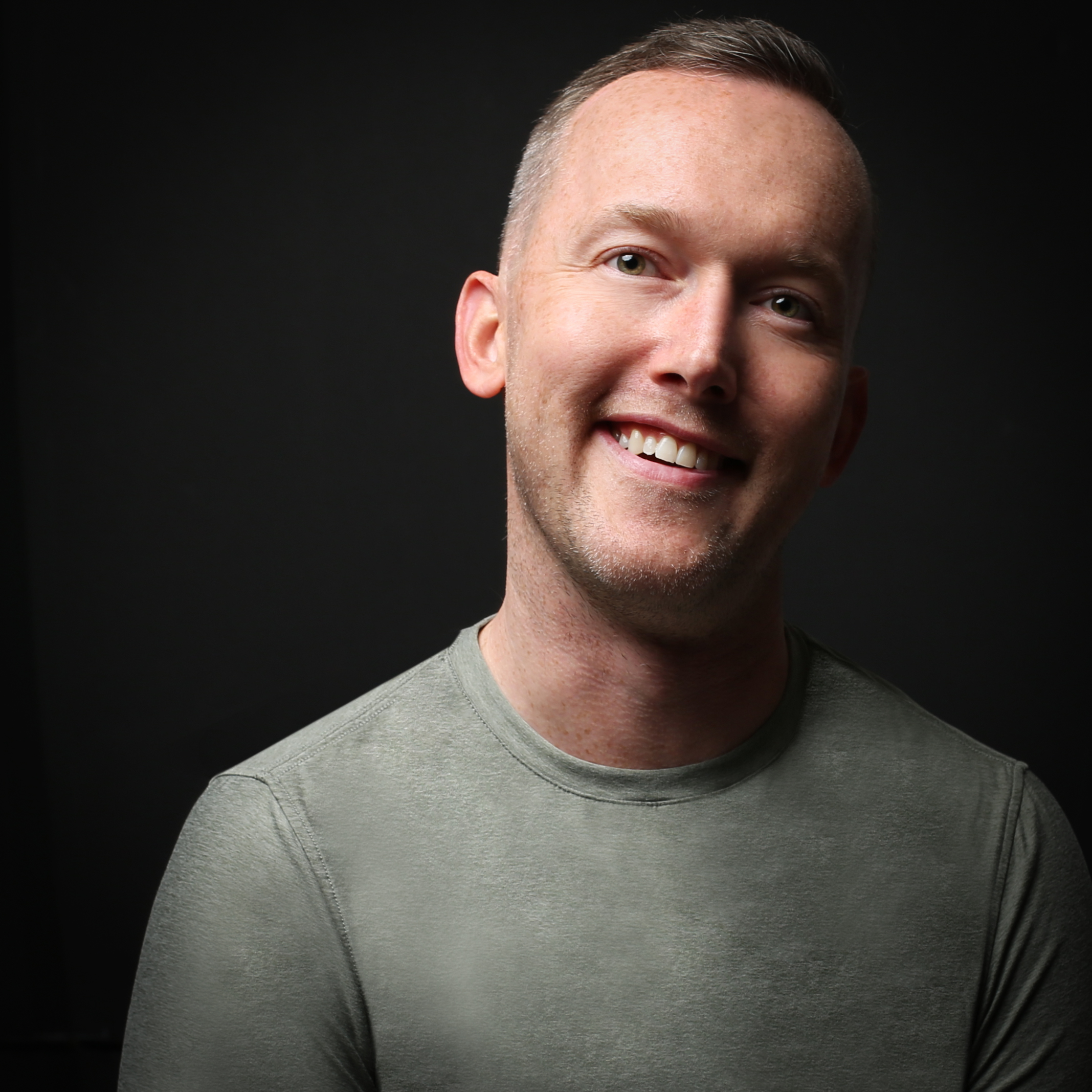
Managing Partner
Rich Palmer is an accomplished AI entrepreneur and leader in the early-stage investing community. He is the former Managing Director of Launchpad Venture Group and Board Director of the Angel Capital Association, where he focused on public policy. He is the co-founder of Adaptation Ventures, a pioneering pre-seed fund dedicated to disability and accessible technology.
A passionate supporter of entrepreneurship, Rich has served as Entrepreneur-in-Residence at Babson College, adjunct professor of New Venture Creation, and frequent speaker and mentor - including a TEDx talk on harnessing the power of vulnerability in entrepreneurship.
After surviving a life-threatening brain aneurysm rupture - learning to read, write, walk, and talk again - Rich co-founded Gravyty, a leading AI company for social good. His work has earned him awards, patents, and recognition such as Boston Business Journal’s 40 Under 40 and Babson College’s Entrepreneurship Award. He holds an MBA from Babson (Summa Cum Laude) and a BS in Information Technology and Economics from RPI.
Rich began his career on Wall Street, leading product development at Relationship Science and heading portfolio analytics for S&P Capital IQ’s quantitative intelligence team. Outside of work, he enjoys soccer, meditation, mobility, and exploring the outdoors.
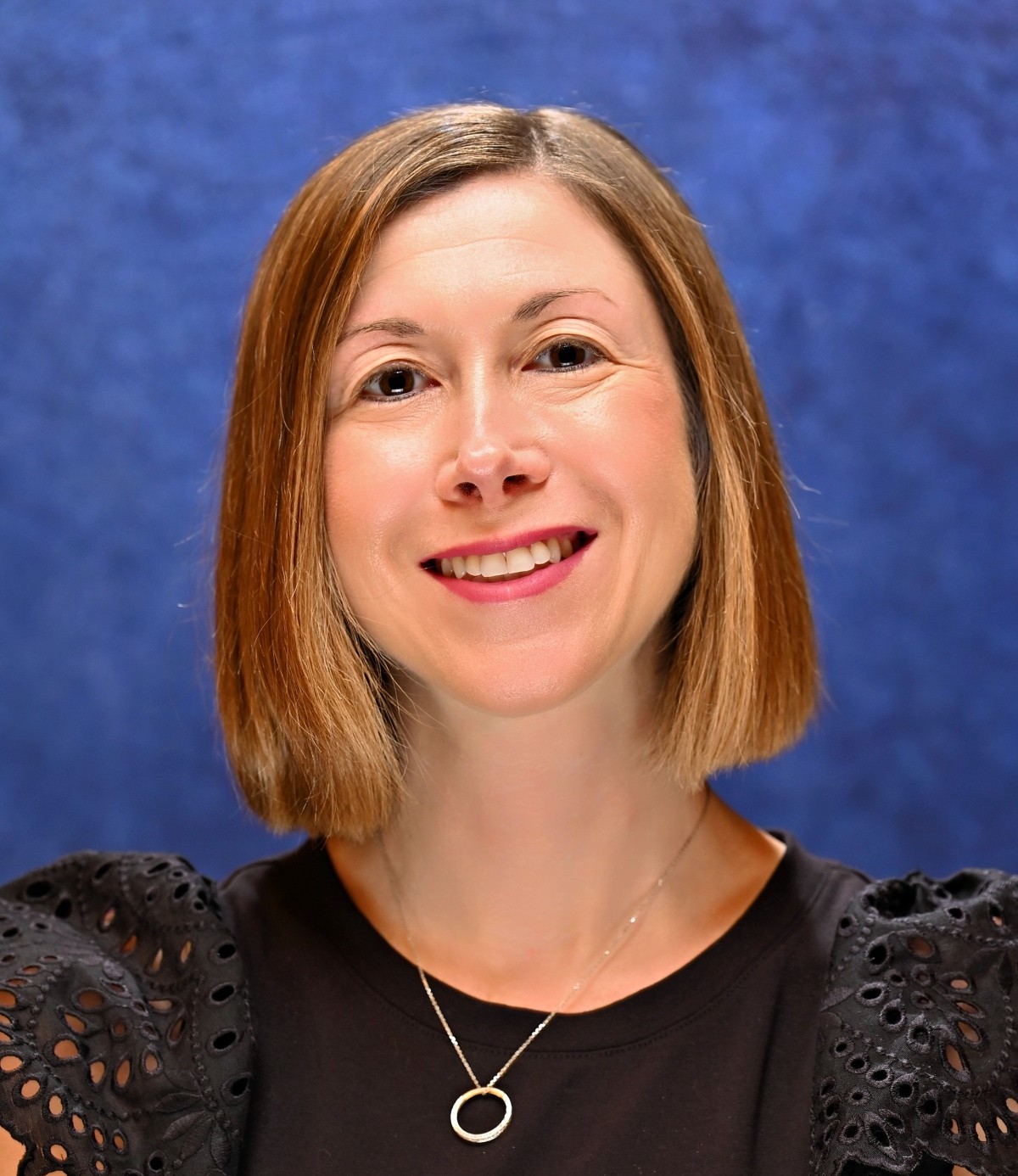
Managing Partner
Brittany is a Managing Partner at Adaptation Ventures. She was born with a bilateral, below-elbow limb difference and has adapted to everything throughout her entire life. She is an Advisory Group Member for the Perkins School for the Blind’s Innovation Center and on the Innovation Steering Committee for the American Association of People with Disabilities (AAPD).
Prior to starting Adaptation Ventures, Brittany was the Founder and CEO of Beeyonder, a live and interactive virtual travel startup with guides around the world that aimed to bring true equal access to travel. Beeyonder served people with disabilities, seniors, corporations, schools, and more. It won an AccessABILITY Award at CES in 2023.
Brittany also has a significant amount of international, environmental, health and safety law and consulting experience, having worked with over 100 jurisdictions worldwide as Principal and In-House Counsel at The Isosceles Group.
Brittany has a BS in Management and a BS in Biology from Rensselaer Polytechnic Institute, as well as a JD from Pace Law School. She has a passion for disability advocacy, traveling, and wildlife. She also enjoys hiking, ballet, and surfing.


